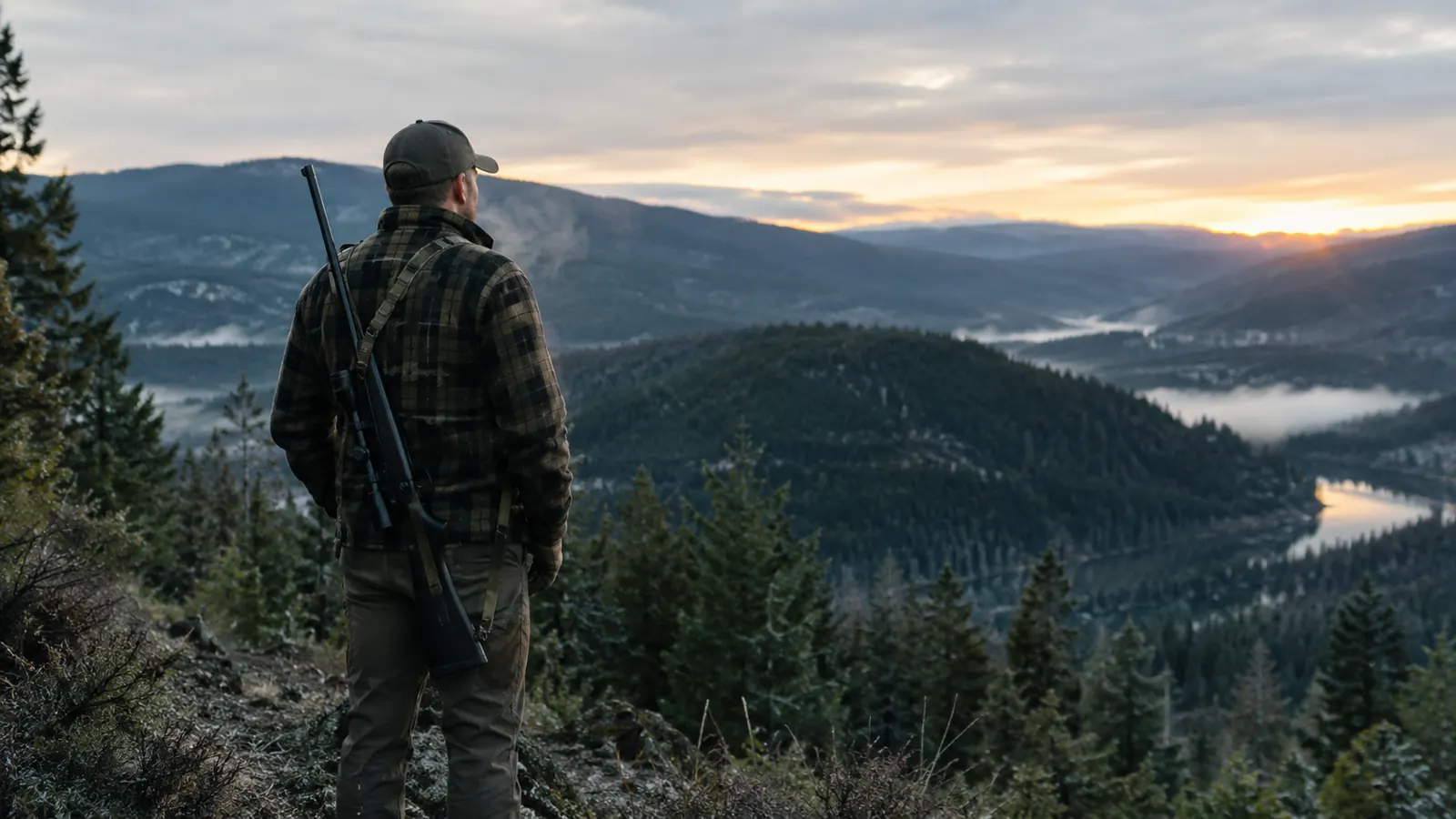
The first time I carried the Vortex Crossfire II 3-9x40 into the timber, it was the second week of October and the larches were going gold. I had just finished a season with a cheap scope that lost its zero twice, once after a hard rain and once for no reason I could figure. I am a county road maintenance foreman, not a gear reviewer, so when I say I spent a full season with this Vortex on my .308, I mean I carried it through elk archery, whitetail rifle season, a late mule deer hunt in Montana, and enough wet snow to soak a man to the bone. This is the plain-spoken account of how it held up.
If you are a working hunter on a real budget, you already know the problem. You want a scope that holds zero, tracks true, and lets you see at dawn and dusk without spending a paycheck. The Vortex Crossfire II 3-9x40 is the scope I kept reaching for all season, and I think it is the answer for a lot of hunters. Here is why.
The Quick Verdict
The Vortex Crossfire II 3-9x40 is the best budget scope I have used in 35 years of hunting. It holds zero through rain, snow, and rough country, the glass is clear enough for legal-light shooting, and the Dead-Hold BDC reticle is genuinely useful at the 50-to-300-yard distances where most of my shots happen. It is not a high-end target scope, and it does not pretend to be. For the working hunter, it is hard to beat.
Amazon Check Today's Price →A Full Season of Proof, One Scope
I ran the Vortex Crossfire II 3-9x40 through an entire Idaho season, and it never let me down. If you are ready to stop fighting a scope that loses zero, check today's price on Amazon.
Amazon Check Today's Price on Amazon →How I've Used It
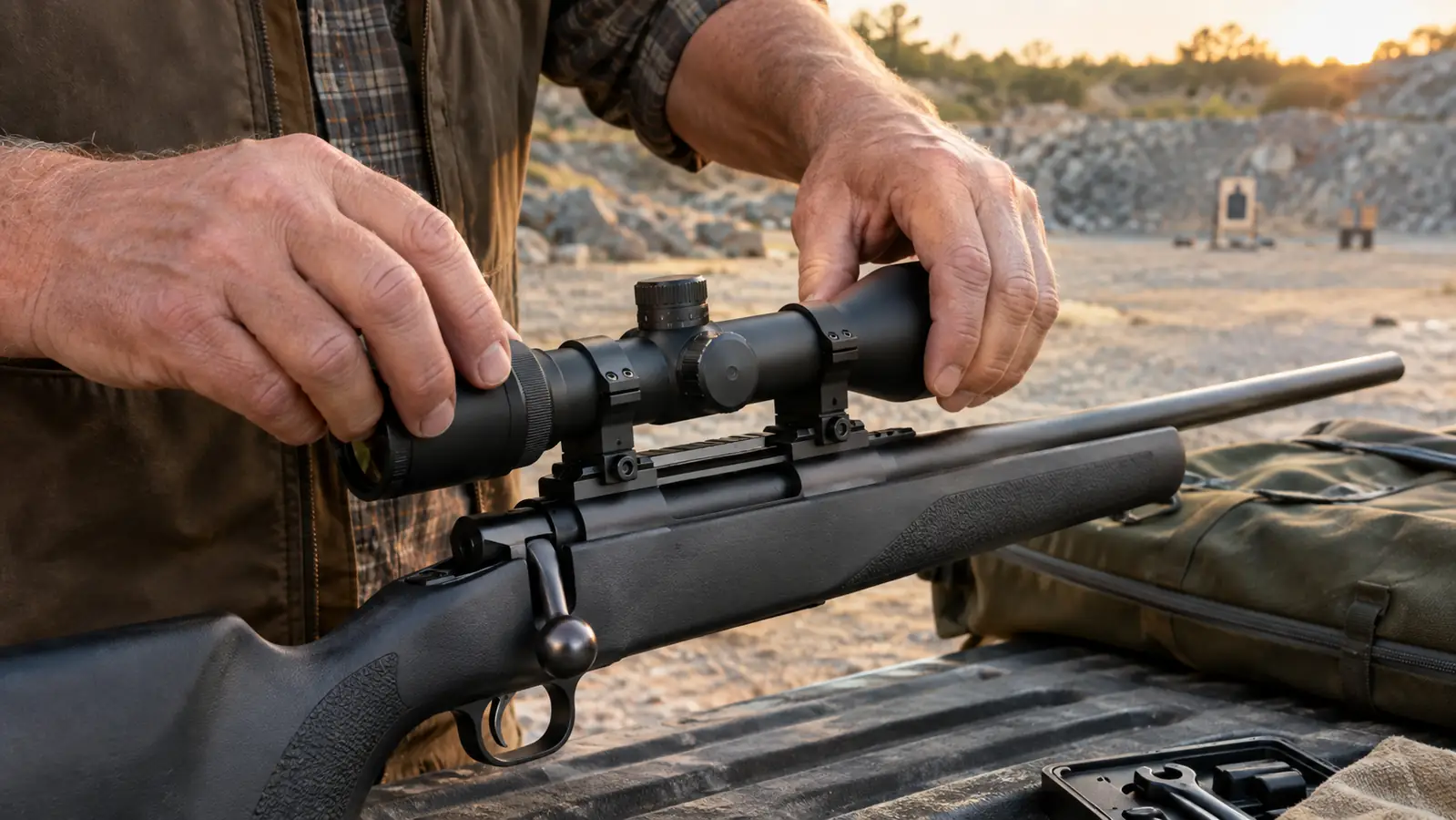
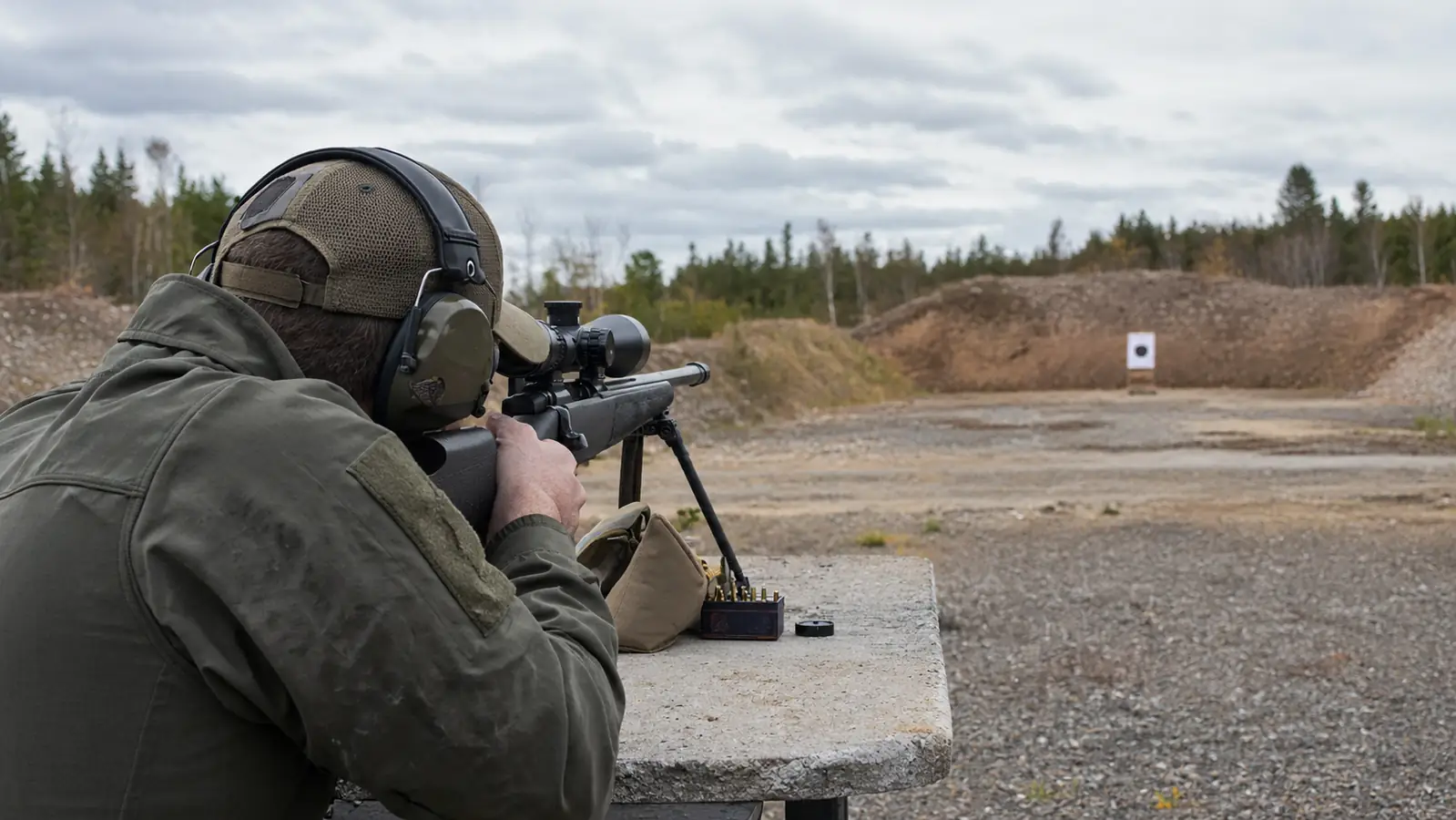
I mounted the Vortex Crossfire II on my .308 bolt-action on the second Saturday in September, using the rings that came with the rifle. I torqued everything to spec, bore-sighted at the kitchen table, and then headed to the gravel pit range outside town. The gravel pit has a 100-yard berm and a 200-yard berm, both with steel plates and a couple of paper targets. The morning I sighted in, there was a gusty west wind and the paper target was flapping on its staple, so I shot at the steel plate instead. With Federal soft points, my first group printed low and left, about three inches off. I came up four clicks and right two, and the next three shots went into a group I could cover with the palm of my hand at 100 yards. Then I did something I recommend to every hunter: I left the scope on the rifle and did not touch the turrets for the rest of the season.
Over the next four months, that rifle rode in my pickup, leaned against trees, got rained on, got snowed on, and was carried on foot for more miles than I can count. I checked zero at the gravel pit three more times. The first check came after a week of cold October rain that soaked everything I owned, and the first shot out of the wet barrel hit the steel plate dead center. The second check came after a hard bump on a logging road north of Priest Lake, where the rifle bounced off the seat and hit the door hard enough that I expected the worst. It was still on. The last check was the week after Christmas, with snow on the ground and the temperature at four degrees, and the scope had not moved. That is the whole job of a hunting scope, and this one does it.
I also used it the way most hunters actually use a scope: at 3x in thick timber, at 6x across a logging cut, and at 9x on a 300-yard mule deer ridge. One morning a whitetail crossed a skid road at forty yards and I never took the scope off 3x, just shouldered and found her through the brush. The magnification range is the sweet spot for the kind of hunting I do in the Idaho panhandle and western Montana. I never once wished for more power, and I never once wished for less.
Glass Quality at Dawn and Dusk
The first thing I noticed about the Vortex Crossfire II was the glass. For the price, it is remarkably clear. I have looked through scopes that cost three times as much, and sure, they are brighter at the edges and a little sharper in the last ten minutes of legal light. But the Crossfire II is not far behind, and it is far ahead of the cheap scope I used the year before. That old scope had a blue tint to the glass that made everything look like it was underwater at dusk, and I missed a shot at a whitetail because I could not tell where the buck's shoulder ended and the brush began. I have not had that problem once with the Vortex.
The most important test came on the last Saturday of November, in western Montana. I was sitting at the edge of a logging cut, and a mule deer buck stepped out at about 180 yards with maybe 15 minutes of legal light left. There was a dusting of snow on the ground and the light was flat, the kind of gray evening that swallows a deer's outline against the timber. The buck was heavy bodied, and through the glass I could see the coarse gray of his winter coat against the snow. Through the Vortex, I could pick out the buck's shoulder line clearly, and I could see the rise and fall of his ribs as he breathed. I had the crosshair settled on his shoulder, and I could have made the shot. I did not take it, because the angle was wrong and the buck was quartering hard toward the timber, but the scope did its job. I could see what I needed to see, when I needed to see it.
The 40mm objective is not a light-gathering monster, and I will not pretend it is. If you are hunting in the deep dark timber at last light, a 50mm objective will give you a little more, and the difference shows up in the last few minutes when the deer are moving. But for the vast majority of my hunting, which happens in the first and last hour of daylight, the 40mm objective on the Crossfire II is plenty. I have taken deer at dawn and dusk with this scope, and I have never once felt like the glass was the limiting factor. The shooter was the limiting factor more than once, but that is not the scope's fault.
The Dead-Hold BDC Reticle, in Plain Words
The Dead-Hold BDC reticle is the feature that surprised me the most. I have used plain duplex reticles for most of my life, and I was skeptical that a budget scope could make a BDC reticle that was actually useful. I figured holdover marks were a gimmick for target shooters, not for a guy who hunts timber. After a full season, I can tell you this: it works, if you do your part.
The reticle has holdover marks below the center crosshair, and they are calibrated for specific distances. With my .308 and the Federal soft points I shoot, the first mark down is close to my 200-yard zero, and the second mark is close to my 300-yard hold. I verified this on a clear afternoon in October, shooting from a rest at the gravel pit. At 200 yards, the first mark put three rounds into a six-inch steel plate, right where the lung shot lives on a deer. At 300 yards, the second mark landed two of three on a steel silhouette, with the third just off the edge. That is not target-rifle accuracy, but it is hunting accuracy, and it is plenty for a deer-sized target. The marks were not perfect, but they were close enough that I could make an ethical shot without touching the turrets.
Here is the honest part: the BDC reticle is calibrated for a specific load and a specific barrel length, and your rifle may not match it exactly. It is not magic, and it will not fix a flinch or a sloppy rest. You have to verify the holdover marks with your own rifle and your own ammo, and you have to practice until the hold feels automatic. I did that, and it took me one afternoon at the gravel pit, maybe forty rounds, and a pencil and a notebook to write down where each mark actually printed. If you are not willing to do that, you are better off with a plain duplex reticle and a rangefinder. But if you are willing to put in the time, the Dead-Hold BDC reticle is a real advantage for the 50-to-300-yard shots that make up most of my hunting.
I checked zero at the gravel pit three times over the season, after rain, after a hard bump, and at the end. Every time, the Crossfire II was still dead on.
Turret Feel and Adjustments
The turrets on the Vortex Crossfire II are capped, which is exactly what I want on a hunting scope. I do not want to bump a turret and lose my zero when I am crawling through brush. The caps screw down snug, and the turrets underneath have a positive click that is easy to feel even with gloves on. I adjusted the windage and elevation a few clicks during initial sight-in, and the adjustments tracked the way they should. I did not need to touch them again all season.
The eye relief is generous, which matters to me because I have had scopes that gave me a crescent moon of black when I got into a hurry. With the Crossfire II, I can get a full sight picture quickly, even in an awkward position. The eyebox is forgiving, and that is worth a lot when a buck is standing in the timber and you have about four seconds to decide.
Durability in Rain, Snow, and Rough Country
I am hard on gear. My job is road maintenance, and my hobby is hunting public land in the Idaho panhandle, which means my rifle gets bounced around in a truck, leaned against rocks, and carried through weather that would make a fair-weather hunter stay home. The week before rifle season opened, we got two feet of wet snow in the mountains, and I spent a morning on a ridgeline with the rifle cradled across my knees while the snow came down sideways. I wiped the scope off with a wool glove, and the glass stayed clear. The Vortex Crossfire II took all of it.
The scope is nitrogen-purged and O-ring sealed, which is the spec-sheet way of saying it does not fog up. I hunted in rain, in wet snow, and in temperatures down to single digits. The coldest morning was a mule deer hunt in Montana where the thermometer on the truck read four below zero, and I sat on a frozen log for two hours with the scope capped, uncapping it a dozen times to check a distant ridge. I never once had fog on the inside of the glass. The exterior finish is matte and durable. It picked up a few honest scratches from being carried in a rifle scabbard, including a small mark on the objective bell where it met a granite rock on a steep hillside, but nothing that affected function.
The one thing I will say is that the lens caps are not the best I have used. They do the job, but they are a little stiff when it is cold, and I replaced the objective cap with a flip-open cap I had in a drawer. On the coldest mornings the eyepiece cap still needed a thumb and forefinger to peel open, which is hard to do with wool gloves on. That is a small thing, and it does not change my overall opinion of the scope.
What I Liked
- Holds zero through rain, snow, and rough country
- Clear glass for the price, especially at dawn and dusk
- Dead-Hold BDC reticle is genuinely useful once you verify it with your rifle
- Capped turrets with positive clicks
- Generous eye relief and forgiving eyebox
- Vortex lifetime warranty, no receipt needed
Where It Falls Short
- Not as bright as a 50mm objective in the last minutes of legal light
- BDC reticle is calibrated for a specific load, so you must verify holdovers with your own rifle
- Stock lens caps are stiff in cold weather
- Turret caps can be a little hard to unscrew with gloves on
Who This Is For
The Vortex Crossfire II 3-9x40 is for the working hunter. It is for the guy who hunts public land on weekends, sights in at a gravel pit, and wants a scope that will not let him down when the weather turns. It is for the first-time scope buyer who does not want to spend a paycheck, and for the middle-aged hunter whose eyes are not what they were at dawn and dusk. It is for anyone who wants a 3-9x40 scope that does exactly what it is supposed to do, season after season.
Who Should Skip It
If you are a long-range shooter who needs to dial turrets out to 800 yards, this is not the scope for you. The Crossfire II is a hunting scope, not a target scope. If you hunt exclusively in the deep dark timber and need every last bit of light at last light, a 50mm objective will serve you better. And if you are not willing to verify the BDC holdover marks with your own rifle and ammo, you are better off with a plain duplex reticle. None of that is a knock on the Vortex. It is just a matter of matching the tool to the job.
The Scope I'll Carry Next Season
After a full season in the Idaho timber, the Vortex Crossfire II 3-9x40 is staying on my .308. If you want a scope that holds zero and shows you the deer when it matters, check today's price on Amazon.
Amazon Check Today's Price on Amazon →