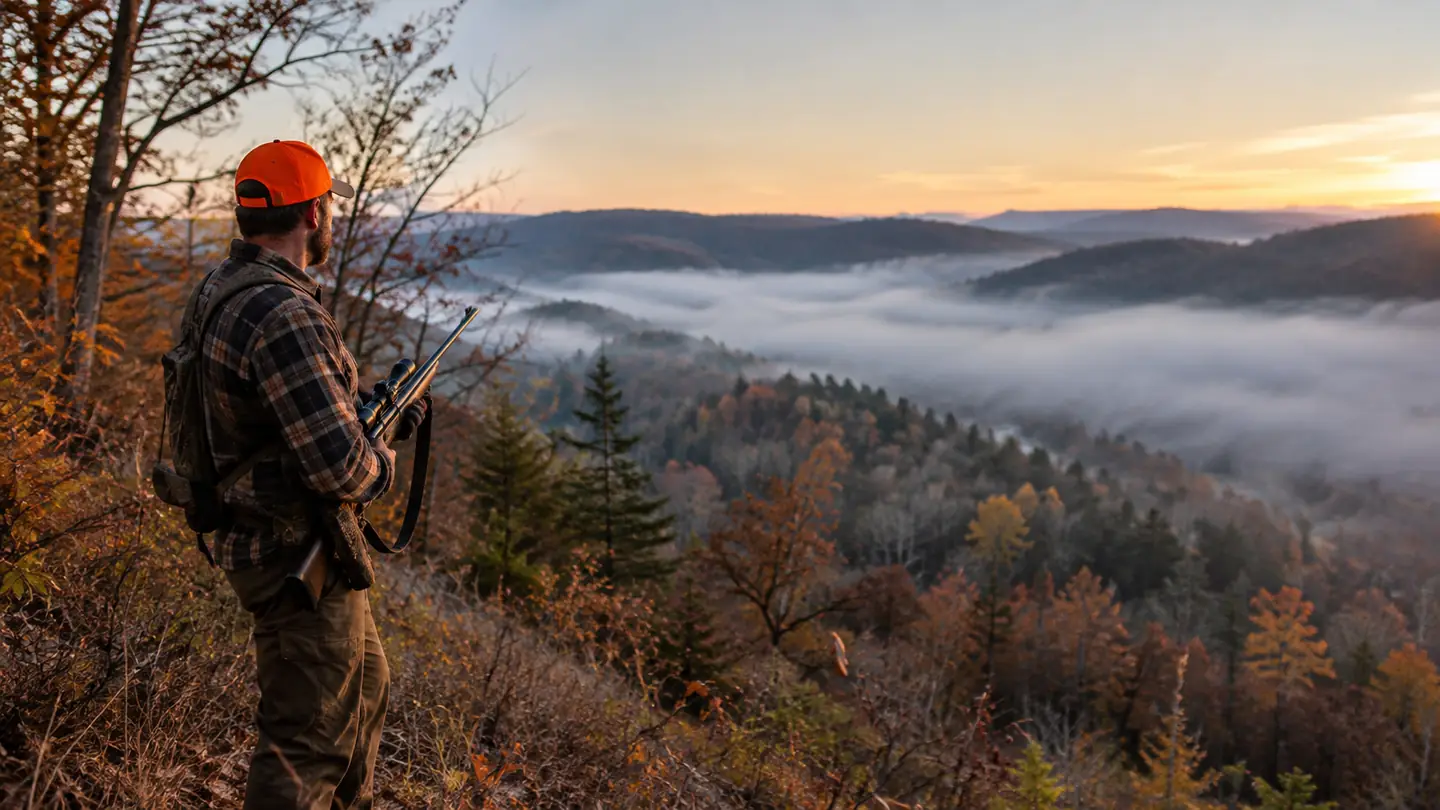
I have carried a 3-9x40 scope on my deer rifle for more years than I can count, and I keep coming back to it. Not because it is fancy. Because it does the job a deer rifle actually needs done. Most of my shots on public land in the Idaho panhandle and western Montana happen between 50 and 300 yards, and a 3-9x40 covers that whole range without making me think about the scope when I should be thinking about the shot. If you are shopping for your first deer scope, or you are tired of a cheap starter scope that will not hold zero in cold rain, here are ten reasons this setup still makes sense.
The 3-9x40 I Keep Recommending to Working Hunters
The Vortex Crossfire II 3-9x40 Dead-Hold BDC has been on my rifle for years. It holds zero, tracks true, and costs less than a tank of gas for a week of hunting. Check today's price on Amazon and see why it is the scope I tell first-time buyers to start with.
Amazon Check Today's Price on Amazon →3x Is Wide Enough for a Moving Deer at 40 Yards
The lowest setting matters more than most new hunters realize. A deer that jumps up inside 50 yards is moving fast, and at 3x you can keep both eyes open and find him in the glass without hunting for the picture. I have had does blow out of a logging cut at close range, and 3x is the difference between a clean look and a blurry mess. Two seasons back, a forkhorn came out of a thicket not thirty yards from me, and I never had to take my eye off him to find the crosshair. At 3x the whole picture stays in view, which is exactly what you want when the deer is already moving.
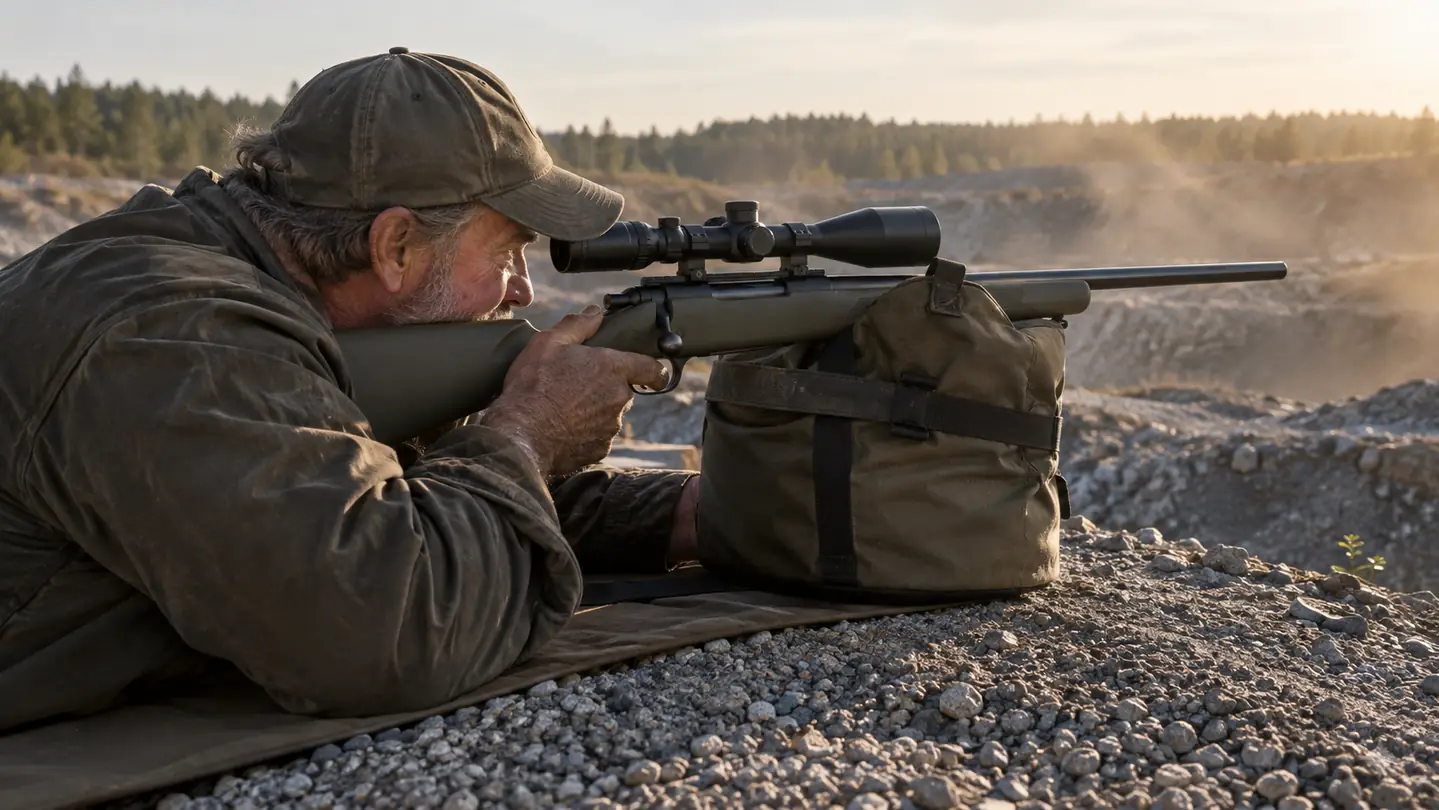
9x Is Enough for a 300-Yard Shot on Public Land
I hear guys say they need 14x or 16x to hunt out west. Most of my shots are inside 200 yards, and the occasional 300-yard shot is perfectly clear at 9x. What matters more than magnification is a steady rest and knowing your range. A 3-9x40 does not lie to you about what you can hit. Last October I took a mule deer at 280 yards from a downed log, and I could see the hair on his shoulder clearly at 9x. The shot was a matter of holding steady, not of wishing the scope had more power.
A 40mm Objective Lets in Enough Light at Dawn and Dusk
Deer move at first light and last light, and that is exactly when a scope earns its keep. A 40mm objective with decent glass, like the Vortex Crossfire II, gathers enough light to see a buck at the edge of a cut when the sky is just turning gray. You do not need a 50mm bell hanging off the rifle for most timber hunting. One November morning I watched a buck work along a fence line at last light, and I could still make out his rack at 9x when the field was almost dark. That extra light is what turns a maybe into a clean, ethical shot.
It Keeps the Rifle Light Enough to Carry All Day
A scope that weighs two pounds changes how a rifle feels on a long ridge walk. The Crossfire II is light enough that I forget it is on the gun, and that matters when you are covering miles of public land before first light. A heavy scope on a light rifle is a recipe for a sore neck and a shaky shot. I have walked six miles in a day up and down logging cuts, and the rifle still comes up smooth when a buck finally steps out. The less the rifle fights you, the better you shoot when it counts.
The Dead-Hold BDC Reticle Takes the Guesswork Out of Holdover
The Dead-Hold BDC reticle on the Vortex Crossfire II gives you reference points below the crosshair for longer shots. Once I learned where my .308 lands at 200 and 300 yards, the reticle turned a guess into a plan. It is simple enough for a first-time scope buyer and useful enough for a guy who has hunted for 35 years. I spent one afternoon at the gravel pit range with a box of ammo, wrote my drops on a piece of tape, and stuck it to the stock. Now I know exactly which dot to hold on a 250-yard buck, and I do not have to think about it in the moment.
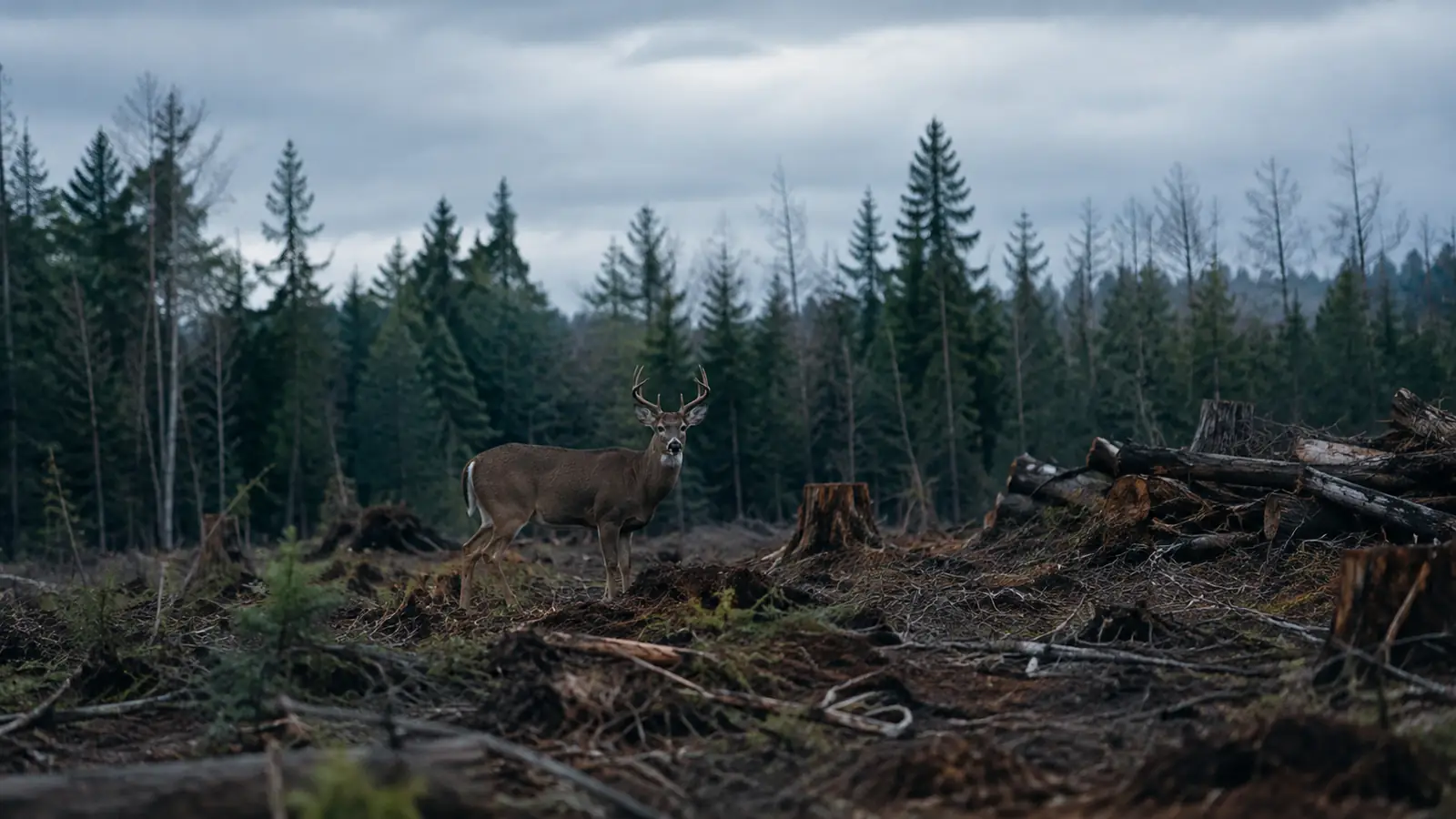
It Holds Zero Through Cold Rain and Rough Rides
I have bounced this scope around in a truck, on an ATV, and across a saddle scabbard in weather that would make a fair-weather hunter stay home. It has never lost zero on me. The Vortex Crossfire II tracks true, and that reliability is the whole point of a hunting scope. You cannot take an ethical shot if you are wondering whether the rifle is still sighted in. One wet November hunt, I drove forty miles of gravel roads, hunted two days in steady rain, and the first shot of the season still hit exactly where I aimed. That is the kind of dependability a working hunter can build a season on.
Eye Relief Is Forgiving When You Are in an Awkward Position
Not every shot happens from a perfect bench position. You get twisted up on a hillside, or you are kneeling behind a log, and a scope with stingy eye relief will punish you with a black ring right when the buck is in the open. The Crossfire II has forgiving eye relief, which matters more the older I get. I have taken shots from a sitting position with my back against a tree and from a prone position over a rock, and the picture stays clear without me having to crawl up the stock. When the shot is there, the scope does not get in the way.
It Is Simple Enough That You Will Actually Use It Correctly
A scope with too many dials and turrets is a scope you will fiddle with instead of hunt with. The Crossfire II is a set-and-forget scope. I sight it in at the gravel pit, check the rings, and leave it alone. When a buck steps out, I want one thing to think about: the shot. Not which turret I turned last week. I have watched too many guys at the range spin knobs all afternoon and then miss a deer because they second-guessed their settings. This scope takes that whole category of mistakes off the table.
The Vortex Warranty Means You Buy It Once
Vortex backs the Crossfire II with a warranty that follows the scope, not the original owner. I have never had to use it, but I have recommended this scope to enough first-time buyers to know the peace of mind is real. For a working guy on a budget, buying a scope you will not have to replace is the whole game. I have seen a buddy drop his rifle off a tailgate and crack the eyepiece, and Vortex made it right without a receipt and without a fuss. That kind of backing matters when your scope is going to live a rough life.
It Leaves Money in Your Pocket for Ammo and Gas
A 3-9x40 from Vortex costs a fraction of what a big European scope runs, and the difference shows up where it matters: more practice at the range and more miles of public land scouted. I would rather hunt with a solid mid-priced scope and a hundred rounds of practice than a fancy scope I am afraid to scratch. Every fall I buy two boxes of ammo with the money I saved on glass, and I shoot them all before opening day. That practice is what actually puts venison in the freezer, not a bigger name on the scope tube.
What I'd Skip
If you spend most of your time hunting wide-open fields where 400-yard shots are the norm, a 3-9x40 is not the right tool. That is a job for more magnification and a bigger objective. And if you are shopping for a scope to put on a long-range target rifle, this is not it. For deer hunting in timber, cuts, and typical western public land, it is hard to beat.
A 3-9x40 does not lie to you about what you can hit. That is the most honest thing I can tell a new deer hunter.
Still the Right Pick for Most Deer Hunters
The Vortex Crossfire II 3-9x40 Dead-Hold BDC is the scope I recommend to working hunters who want glass that holds zero, gathers light at dawn, and does not cost a paycheck. Check today's price on Amazon and see if it fits your rifle.
Amazon Check Today's Price on Amazon →