
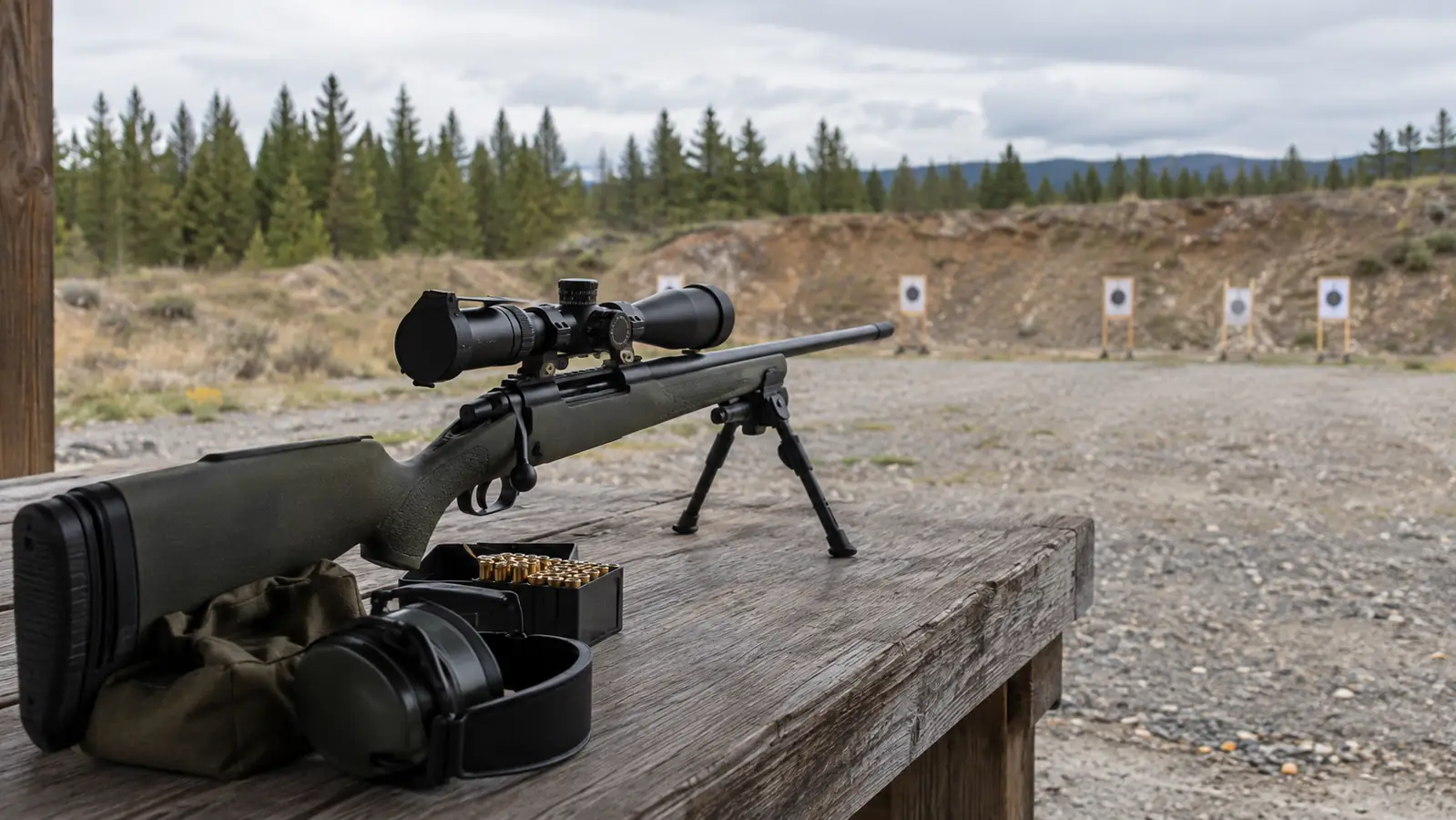
I will be honest with you. The only reason I am writing about scope rings at all is that a cheap set cost me a shot at a mule deer two years ago. I had a buck standing broadside at 210 yards, my .308 was sighted in three days earlier, and the bullet still went high and left. Clean miss. The deer bounded off and I stood there trying to figure out what I had done wrong. I had done nothing wrong. The scope had moved in the rings. That is the honest truth about cheap scope rings, and it is the reason I finally bought the Vortex Hunter rings and spent two seasons testing them the only way that counts, from the gravel pit to the timber.
Scope rings are the most boring purchase in hunting, and the most important one most guys get wrong. The scope is the part you stare at and the rifle is the part you carry, but the rings are what keep the two married together. If they slip, nothing else on the rifle matters. The Vortex Hunter rings are not the most expensive rings on the shelf, and that is exactly why I wanted to write an honest review instead of another product page. Here is what two seasons on a real rifle taught me.
The Quick Verdict
The Vortex Hunter rings are the set I recommend to working hunters who want a scope that stays put without spending a paycheck. They are steel, they are simple, and after two seasons and hundreds of rounds mine have not moved a hair. They are not the lightest rings made, and the finish is nothing special, but they do the one job that matters: they hold zero.
Amazon Check Today's Price →Do not learn this lesson the way I did.
Two seasons on my .308 and the rings have not shifted a thousandth of an inch. The Vortex Hunter rings are the boring, reliable choice that lets you spend your money on glass instead of hardware.
Amazon Check Today's Price on Amazon →How I've Used Them
For the record, here is the setup. My main rifle is a .308 bolt-action I have carried for years, and it wears a 3-9x40 scope on a one-inch tube. The rings are the Vortex Hunter in medium height. I mounted them myself in about twenty minutes on the kitchen table, torqued everything to spec with a proper inch-pound driver, and took it to the gravel pit range outside town. That was two seasons ago.
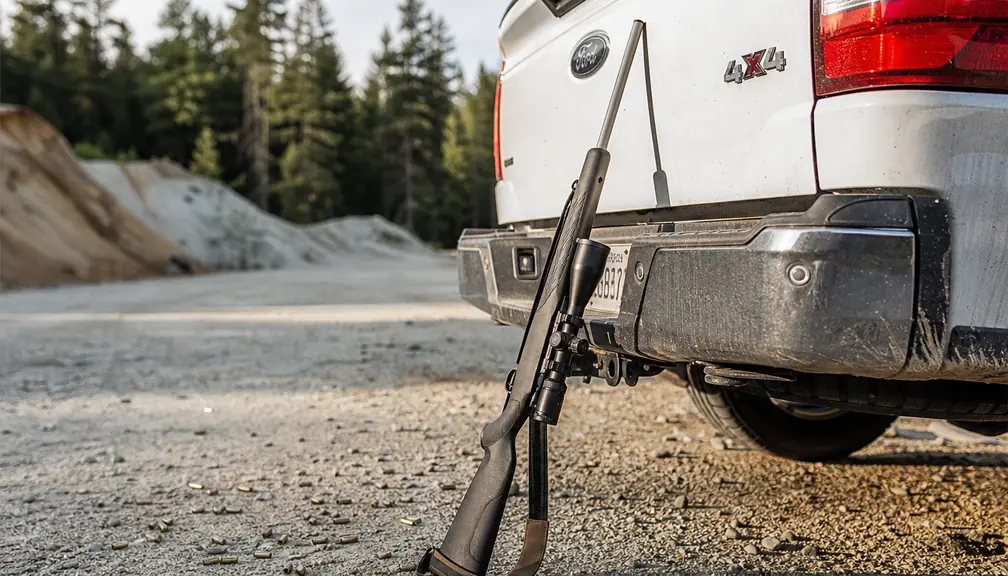
Since then the rifle has been through two Idaho deer seasons, one elk season in western Montana, uncounted trips in and out of a pickup, rain, snow, a drop from a truck tailgate that I am still not ready to talk about, and somewhere north of four hundred rounds at the gravel pit. I check zero before every season and after any hard knock. The scope has not moved. Not a click, not a fraction of a millimeter that I can measure. That is the whole review in one sentence, but you deserve the details.
The honest part of an honest review is that I did not trust them at first. I had been burned by rings once and I spent the first month checking the screws before every trip. The check became a habit, then the habit became unnecessary, and somewhere around the third month I stopped checking and just hunted. That is the quiet way a good piece of gear earns its place. It stops being part of the conversation.
What Nobody Tells You About Mounting Rings
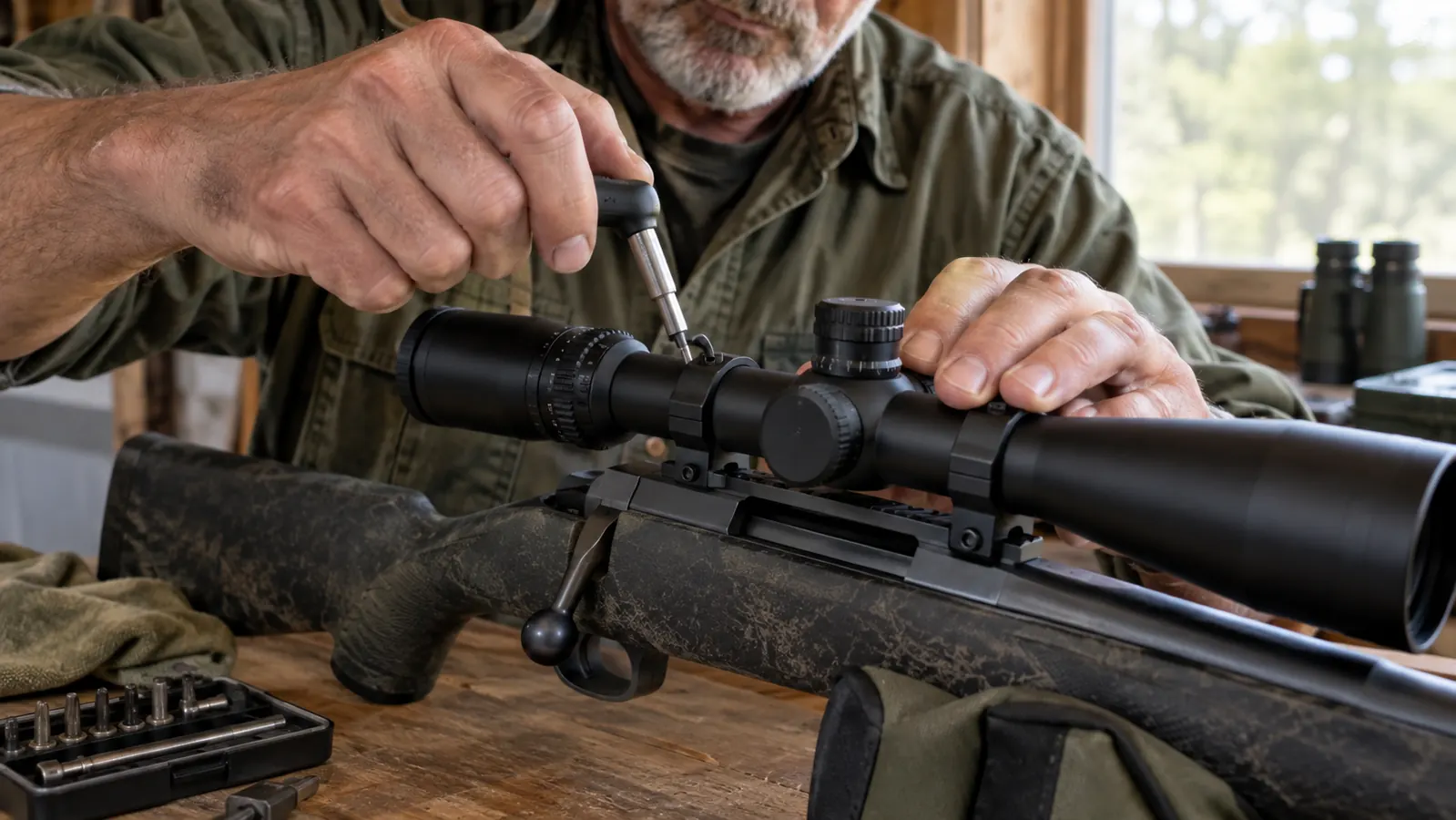
Here is the part the product listings skip. The rings themselves are only half of the job. The other half is the ten minutes you spend mounting them, and most guys get that part wrong. The Vortex Hunter rings are not magic. If you tighten the cap screws unevenly, or skip the torque specs, or mount the rings on a receiver that still has oil in the slots, they will fail just like any other rings. I have seen it happen.
What nobody tells you is that you need a torque driver. Not a regular Allen wrench and a feel for it, a real inch-pound torque driver. The instructions that come with the rings list a torque value, and there is a reason it is printed there. I ruined the first set of rings I ever owned by guessing. With the Vortex Hunter rings I went around the cap screws in small increments, a quarter turn at a time, alternating sides, until everything seated evenly. It takes an extra five minutes and it is the difference between rings that hold and rings that walk.
One more thing I wish someone had told me. Do not over-torque. The torque spec on the ring screws is a ceiling, not a target you exceed for extra grip. I have seen guys crank ring screws until they stripped, and a stripped screw in a scope ring is a trip to the hardware store and a lesson learned at the worst time. Set the driver to the number in the instructions, tighten to the click, and stop. The rings do the work, not your forearm.
I learned that one at the gravel pit, not from a manual. A buddy of mine cranked his ring caps down by feel, as hard as he could turn a screwdriver, and his groups at 100 yards walked a full inch to the right over twenty rounds. When we pulled the scope, the tube had a faint ring mark pressed into it. It still held air, but he never trusted it again, and neither would I.
The other thing nobody tells you: check the screws again after the first box of ammunition. Steel stretches, seats, and settles in the first few dozen rounds. I re-checked mine after the first trip to the gravel pit and found one cap screw that had backed off a few inch-pounds. I torqued it back, and it has not moved since. That is normal. That is what a good set of rings does. It settles, and then it holds.
Why Steel Matters More Than You Think
The Vortex Hunter rings are steel. That sounds like a boring spec until you understand what it means in the field. Aluminum rings save a few ounces and cost a little less, but steel is stiffer and grips the scope tube more firmly under recoil. On a .308 that kicks harder than the catalog photos suggest, that stiffness is what keeps the scope from sliding forward in the rings. I have seen aluminum rings fail on magnum rifles. I have never seen a properly mounted steel set fail.
The tradeoff is weight. You feel it when you are packing a rifle up a logging cut in western Montana. If you are building an ultralight mountain rifle and counting every ounce, there are lighter options, and the Vortex Hunter rings are not them. But my rifle already weighs what it weighs, and I would rather carry four extra ounces of steel than trust a deer tag to the lightest rings on the shelf. That is a tradeoff I make on purpose.
The other reason steel matters is recoil over time. A scope tube is a precision tube of glass and metal, and rings that flex under recoil let it shift a little with every shot. The shift is too small to see, but it is enough to walk a group. Steel flexes less than aluminum, so the scope stays put round after round. That is not a theory I read somewhere. That is the difference between the first set of rings I owned and the Vortex Hunter set I have now.
Height, Fit, and What You Have to Figure Out Yourself
The rings I bought are the medium height for a one-inch tube, and they were the right call for my setup. My scope has a 40mm objective lens and it clears the barrel and the bolt handle with room to spare, and the scope sits low enough that I get a solid cheek weld on the stock. If you are mounting a scope with a bigger objective, or a 30mm tube, the height math changes and you need to work through it before you order. The listing tells you the size. It does not tell you whether that size fits your rifle.
Here is what I learned the hard way. Measure the actual objective bell on your scope, not the number printed on the box. Check the clearance over the barrel and the bolt handle, and account for the flip-up scope caps if you use them. A set of rings that clears a bare scope can rub the lens cap or the bolt handle once everything is on. I checked mine with the caps installed, and that is the detail that saves you a second order.
The way I check it is simple. With the action open and the bolt out, I set the scope in the bottom ring halves and slide it fully forward, then fully back, and watch the gap under the objective bell the whole way. On my .308 that gap came out to a little under a quarter inch with the medium rings, which is enough room for a scope cap and not so much that I have to lift my cheek off the stock to see through the glass. If you cannot slide a business card under the bell, go up a height.
The other thing to figure out yourself is level. The rings will not level the scope for you. I used a bubble level on the receiver and the scope caps, got the reticle square to the rifle, and only then torqued everything down. A scope that sits crooked will make you chase a zero that never quite comes together. That is not a flaw in the rings. It is the job the rings cannot do for you.
Alternatives I Considered
Before I settled on the Vortex Hunter rings, I looked at a few other sets. I considered a pair of lightweight aluminum rings from another brand, and they would have shaved ounces off the rifle, but the reviews from guys shooting heavier calibers gave me pause. I also looked at a more expensive steel set that costs a lot more for the same job. The honest difference, as far as I can tell, is that the expensive set is lighter for the same stiffness, and that is a real difference if you are counting ounces. I decided I was not.
There is also the question of the rings that come with a scope in a boxed combo kit. If you are buying a scope that ships with rings, use them, but check them the same way you would check any ring. Torque them to spec, shoot a box through the rifle, and re-check. Some of those bundled rings are fine. Some are exactly the kind of ring that cost me a shot at a buck two years ago. The Vortex Hunter rings are not the cheapest option on the shelf. They are the cheapest option I trust.
The Warranty You Will Probably Never Need
Vortex backs everything they make with a lifetime warranty, and the rings are covered the same way the scopes are. I have never had to use it on the rings, which is the best thing you can say about a warranty on any piece of gear. But it matters in a different way. It tells you the company expects these rings to outlast your rifle, and that is the kind of quiet confidence a working hunter can use when he is a long way from the truck.
The honest version: I have had exactly one Vortex product fail in thirty-five years of hunting, and the warranty process was a phone call and a return label. I mention it because the warranty is part of what you are buying. It is not hype. It is a company standing behind a boring part, and boring parts are exactly the ones you want standing behind you at 200 yards in a cold rain.
Here is what a warranty does not cover, and nobody mentions it either: your time. If a ring set lets go in the middle of elk season, the warranty will replace the rings, but it will not give you back the opening week you spent hunting with a rifle you could not trust. That is the real reason I put the Vortex Hunter rings on my .308 instead of the bargain set that came in the box with my old scope. A lifetime warranty is nice to have. A ring that never needs it is the thing you are actually paying for.
What I Liked
- Held zero through two hunting seasons, rain, snow, and a drop from a truck tailgate
- Steel construction grips a one-inch scope tube firmly, even on a .308
- Simple, honest design with clear torque specs and no surprises
- Medium height sits a 40mm objective scope low enough for a solid cheek weld
- The lifetime warranty covers these rings like every other Vortex product
Where It Falls Short
- Heavier than aluminum rings, noticeable if you count ounces on a mountain rifle
- The finish scuffs easily, purely cosmetic but worth knowing
- You still need a torque driver and a level to mount them right, the rings will not do it for you
- Medium height will not clear a big objective scope, so measure before you order
Two seasons, four hundred rounds, one drop from a tailgate, and the scope has not moved a hair. That is the whole review.
Who This Is For
The Vortex Hunter rings are for the hunter I know best, the guy who hunts public land on weekends, sights in at a gravel pit, and wants glass that holds zero in cold rain without spending a paycheck. If that is you, and your rifle wears a one-inch tube scope with a standard objective, these rings are the boring, correct answer. You will mount them once, check them after the first box of ammunition, and then forget they are there, which is exactly what good scope rings should be.
Who Should Skip It
Skip these rings if you are building a featherweight mountain rifle and every ounce matters, or if you are mounting a scope with a fat 50mm objective and need high rings, or a 30mm tube that these rings do not fit. And if you are the kind of shooter who wants the most precise benchrest setup money can buy, there are rings that cost more and hold a tolerance you will never notice on a hunting rifle. The Vortex Hunter rings are not the best rings in the world. They are the best rings for a working hunter on a real budget, and that is a different thing.
Here is the bottom line. If you are a working hunter with a one-inch scope tube and a rifle that you carry through weather, these rings will do exactly what you need them to do, for years, without drama. Mount them once with a torque driver, check them after your first box of ammunition, and then go hunt. Two seasons in, mine have never given me a reason to think about them, and that is the highest compliment a piece of hardware can earn from a guy who has learned that lesson the hard way.
Mount them once, torque them right, and forget them for a decade.
That is what two seasons on my .308 taught me. If you are mounting a scope this season, the Vortex Hunter rings are the honest choice for a working rifle.
Amazon Check Today's Price on Amazon →