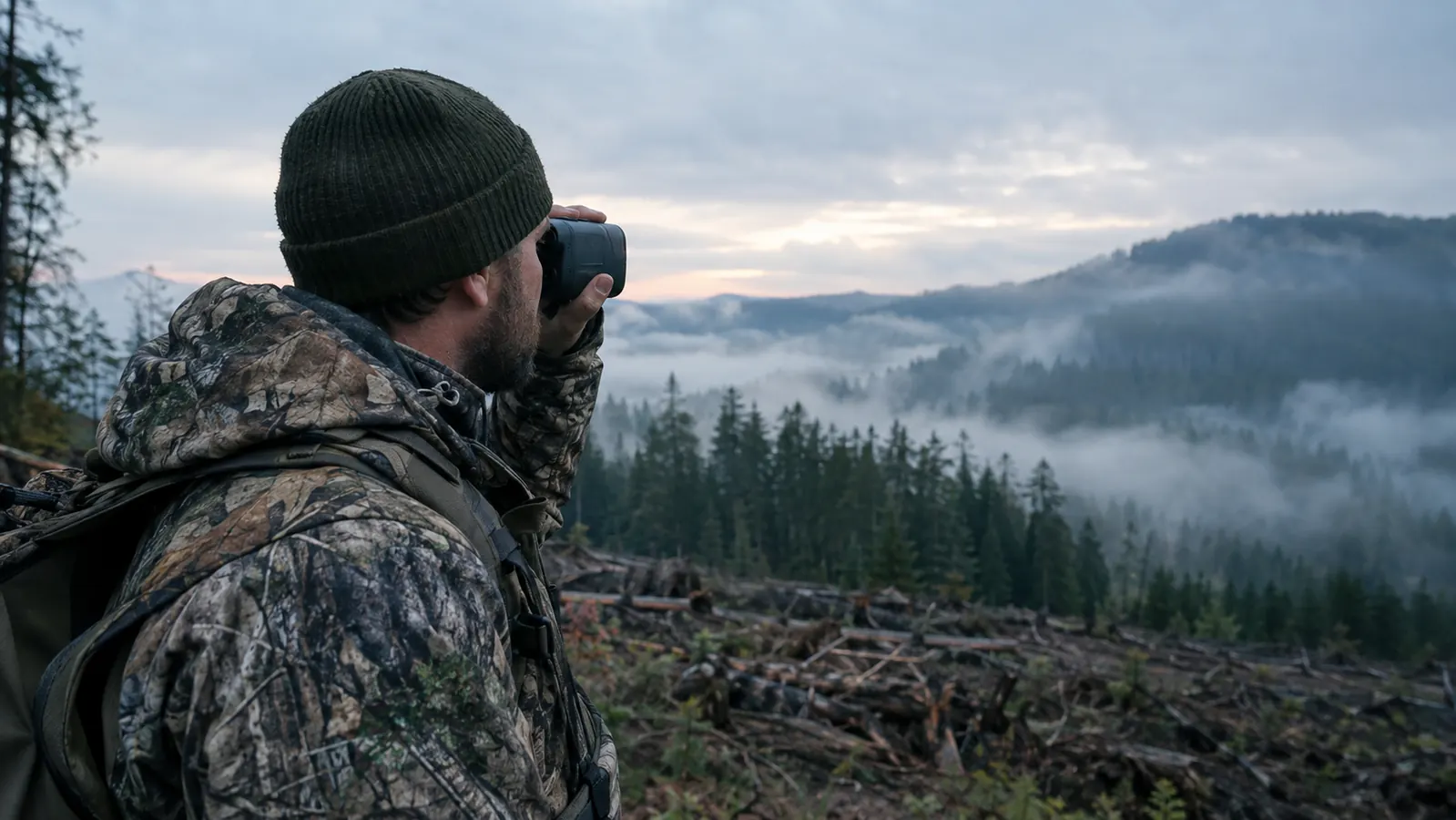
I have carried a TIDEWE rangefinder for two full seasons now, and I will tell you straight: it changed the way I hunt more than any scope I have ever owned. I am Clay, I have hunted whitetail, mule deer and elk in the Idaho panhandle for about 35 years, and most of my shots are 50 to 300 yards on public land. I used to guess distance, and I was wrong more than I admitted. Here are 10 reasons a rangefinder makes you a better hunter, in the order they matter to me.
Stop Guessing the Distance
A rangefinder is the difference between a clean ethical shot and a wounded animal. The TIDEWE Hunting Rangefinder is the one I carry every weekend.
Amazon Check Today's Price on Amazon →It Ends the 40-Yard Guess
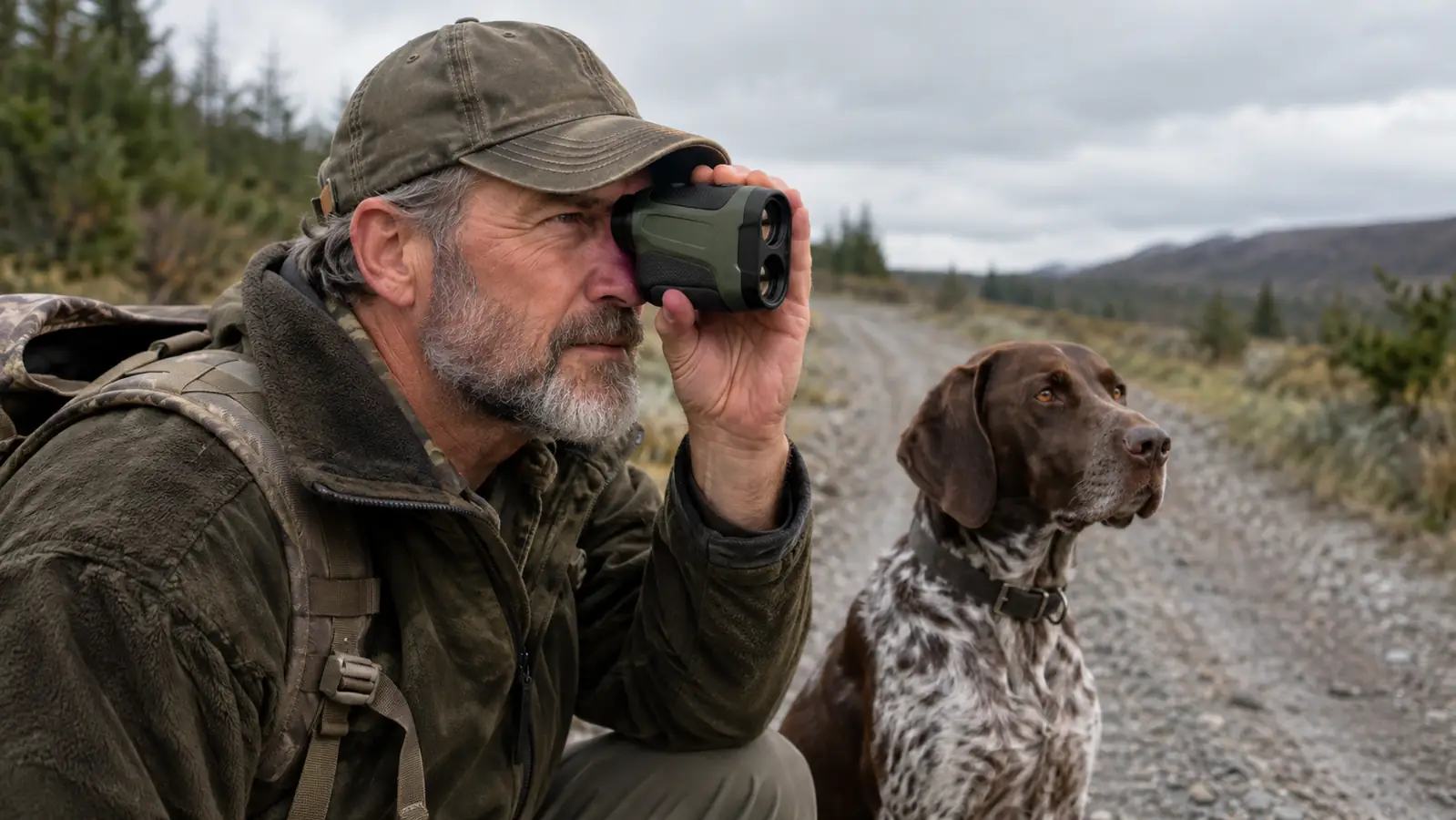
Every hunter has done it: you range a buck with your eyes, settle the crosshair, and miss high or low by a foot. A rangefinder gives you the exact number in about a second. On a 280-yard shot, being off by 30 yards changes your hold by several inches. That is the difference between a clean kill and a gut-shot animal. The TIDEWE reads fast and reads true, and that alone is worth the price of admission. Opening morning two seasons ago I ranged a mule deer at 247 yards, held for 250, and put the bullet through both lungs. The year before, same ridge, same kind of shot, I guessed 200 and watched a buck run off with a graze. That miss is what finally pushed me to buy one.
You Learn What Your Rifle Actually Does
When you know the exact distance, you finally learn your rifle's real trajectory. I sighted in my .308 at the gravel pit range outside town, and then I started ranging every shot I took. My drop chart finally matched the real world. You cannot build an honest drop chart with guesses. You need numbers, and a rangefinder is the only way to get them in the field. Last fall I set up at the 200-yard berm, ranged the target at 198, and my group tightened from about four inches to two. That told me more about my rifle than a whole box of shells ever had.
It Makes You Slow Down
The act of ranging forces a pause. You raise the rangefinder, wait for the reading, and then you have to decide. That pause is the difference between a rushed shot and a deliberate one. I have passed on more animals since I started ranging, and I have also connected on more. Slowing down is a skill, and the rangefinder is the tool that teaches it. One evening last October I ranged a bull elk at 312 yards, took a breath, and waited until he quartered. The whole thing took maybe twenty seconds, and it felt like the first shot I had ever taken with my whole mind in it.
It Works in Low Light
The worst misses happen at dawn and dusk, when the light lies to your eyes. The TIDEWE rangefinder has a bright display that I can still read in the gray half-light of a November morning. I have ranged a mule deer at 240 yards in conditions where I could barely see the crosshair. That is the difference between a tag filled and a long walk home. The morning I ranged that buck it was 6:40, still mostly dark, and the display gave me a clean 241 before the deer stepped back into the timber. I did not take the shot, but I knew exactly what I was passing on.
It Pays for Itself in Ammo
Every time you miss, you burn a box of shells practicing to figure out what went wrong. Every time you range before you shoot, you save that ammo. I used to burn 40 rounds a season on verification shots. Now I burn 10. The rangefinder paid for itself in one season of ammo savings, and I am not exaggerating. At today's prices, a box of good .308 runs what it runs, and I was going through four or five boxes a season just chasing the same problem. Now I spend that money on gas to get farther up the mountain.
It Makes You a Better Spotter
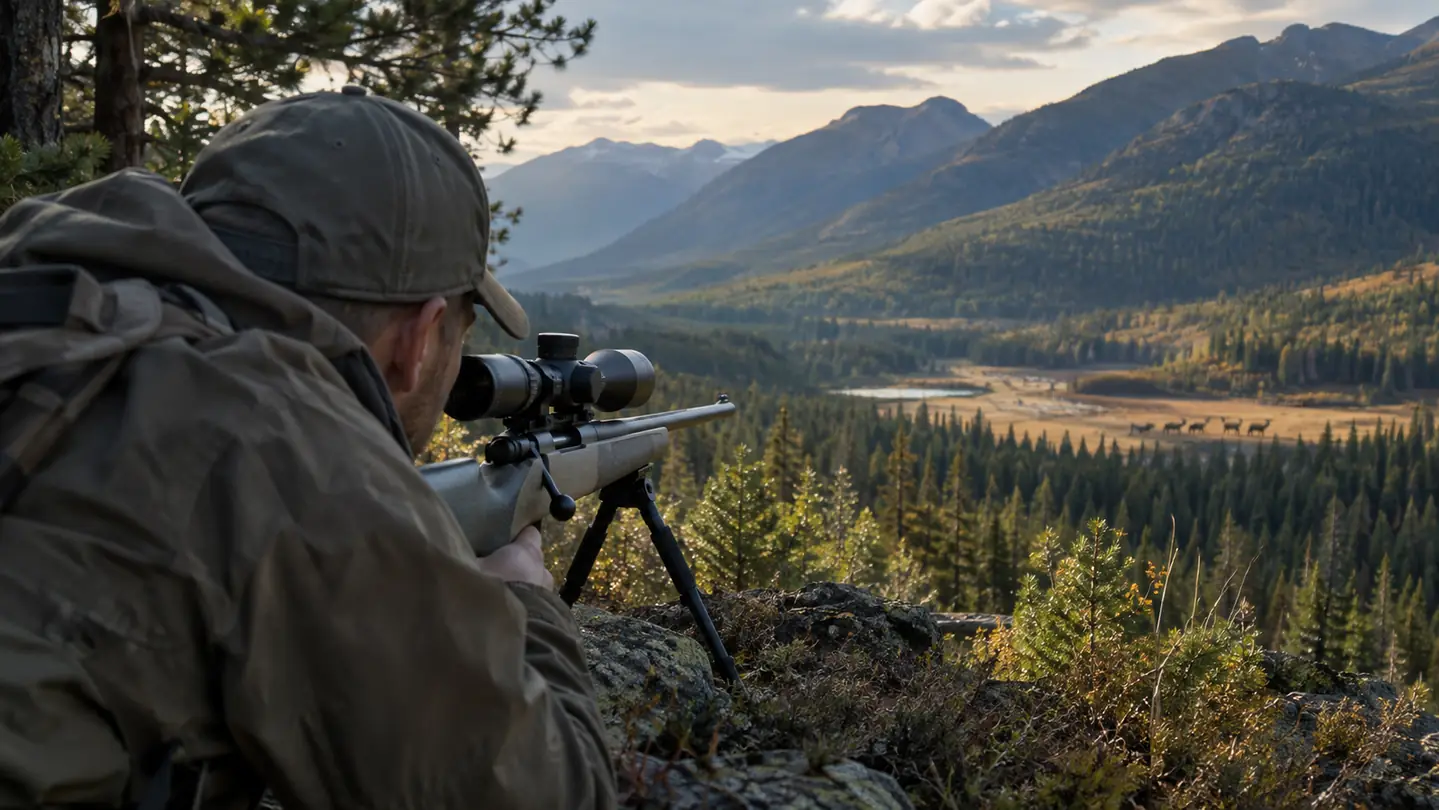
When you range a ridge before the animal even appears, you know exactly where to look. I range landmarks, treelines, and likely bedding areas while I am glassing. When a buck steps out, I already know the distance to the spot he is standing in. That is a huge advantage, and it is one that most hunters never think about. On a scouting trip in September I ranged a lone pine at 186 yards, and when a whitetail stepped out from behind it two hours later, I knew the shot before I ever shouldered the rifle.
It Builds Confidence in Your Hold
Confidence is not a feeling. It is a number. When you know the distance is 212 yards, and you know your drop at 212 yards, you can hold steady and squeeze. The doubt is gone. I have made shots this season that I would have passed on two years ago, not because I got braver, but because I got certain. The 212-yard shot I keep coming back to was a mule deer on a logging cut, and I held dead on because the rangefinder had already told me the truth. I did not have to hope. I just had to shoot.
It Survives the Field
A rangefinder that dies in the rain is worse than no rangefinder at all. The TIDEWE is built for the kind of weather we get in the panhandle: cold, wet, and unforgiving. I have dropped it, sat on it, and left it in the truck overnight in freezing temps. It still reads true. That matters when you are a mile from the truck and the light is going. One November evening I slipped on a wet skid road and landed square on the thing, and it never even blinked. I checked it against the 100-yard berm the next morning and it was dead on.
It Makes You Honest About Your Limits
A rangefinder tells you the truth about whether you should take the shot. If the distance is 380 yards and you know you are a 300-yard shooter, you pass. That is not weakness. That is ethics. I have passed on more animals since I started ranging, and I have also connected on more. The rangefinder does not make you a better shot. It makes you a better decision maker. Two years ago I ranged a bull at 364 yards, knew I had no business shooting that far in a crosswind, and let him walk. I slept fine that night, and I have never regretted it.
It Makes the Hunt More Fun
This is the one nobody talks about. When you stop worrying about the distance, you start enjoying the hunt. You watch the animal, you read the wind, you pick your spot. The rangefinder takes the math out of the moment and leaves you with the part you love. I have had more good days in the woods since I started carrying one, and that is the real reason I will never hunt without it again. Last season I sat on a ridge for three hours just watching a herd of mule deer work a meadow, and I ranged them every time they moved. I never fired a shot. It was the best morning I had all year.
What I'd Skip
If you only hunt from a blind at a feeder over a bait pile, and your shots are always inside 60 yards, you can probably skip a rangefinder. Your distance is not changing. Spend the money on a better seat or a better thermos. And if you are the kind of hunter who will not practice with a rangefinder, who will not build a drop chart, who will not learn the tool, then it is just another gadget in your pack. A rangefinder is a tool, not a talisman. It only makes you a better hunter if you use it.
The rangefinder does not make you a better shot. It makes you a better decision maker.
Hunt With Certainty This Season
The TIDEWE Hunting Rangefinder is the tool I trust on every public-land hunt. Check today's price and see why 6,000+ hunters agree.
Amazon Check Today's Price on Amazon →